Loading gallery...
6000 m Summit in the Indian Himalayas via Markha Valley
Basics
- Destination|Ladakh, India
- Duration|11 days
- Group type|Private group
- Difficulty|Moderate
- Main Activity|Actividad 16
Highlights
- 6,240 meter summit with views of the Karakoram
- Route through Hemis National Park
- Tibetan culture and millenary monasteries
- Selected accommodation in high-altitude settings.
Itinerary - Markha Valley and Dzo Jongo Trek
Things to Know from Markha Valley and Dzo Jongo Trek
This trip is designed for experienced high-altitude hikers looking to challenge their limits by reaching an accessible but demanding six-thousand-meter peak. Over eleven days, the trek allows for gradual acclimatization to minimize the effects of altitude, culminating in the ascent of Dzo Jongo East (6,240 m).
From arrival in Leh, the experience focuses on a progressive immersion into Tibetan-Ladakhi culture and the majesty of the Himalayas. The first two days are dedicated to acclimatization with cultural visits combining the architectural beauty of monasteries with active rest.
The trek starts with a vehicle approach along the Zanskar River to Chilling, the gateway to Hemis National Park. From there, the trail leads to Skiu, and then into the heart of Markha Valley, passing traditional villages and scenes contrasting green oases with the typical aridity of the inner Himalayas.
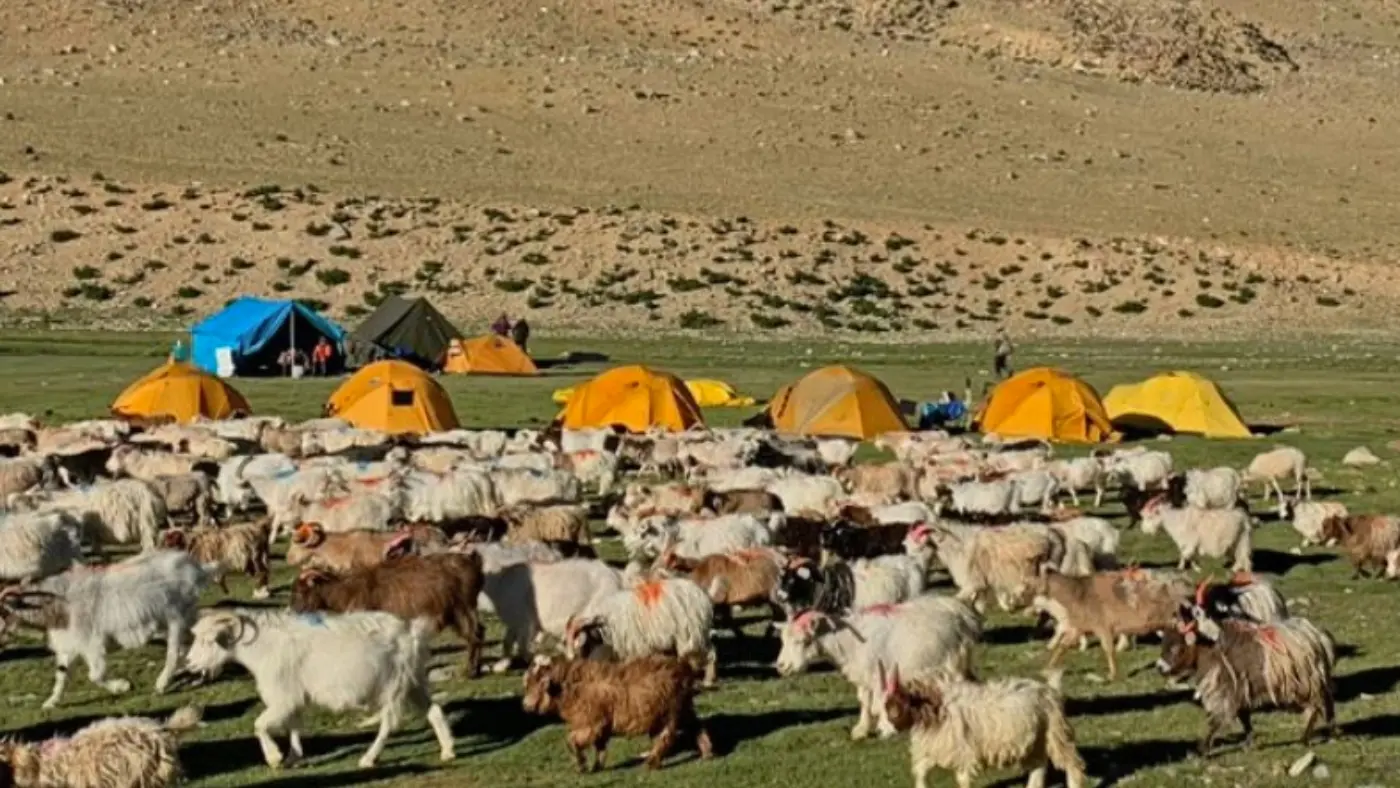
The route gains altitude with progressive stages up to the Nimaling plateau, where yaks graze and the landscape opens toward Kang Yatse. From there we detour to the Dzo Jongo valley, reaching its base camp, a strategic point from which we will prepare the ascent.
A full day is reserved for technical training and acclimatization, aiming to prepare the group for the challenge of reaching the summit at dawn. The summit day requires between 10 to 12 hours of effort but rewards with unforgettable views of Karakoram, Zanskar, and the Himalayas.
The return to Leh crosses the Kongmaru La pass (5,260 m), closing a spectacular circuit both for its natural beauty and the rich cultural and mountaineering experience lived.