
Mountaineering in the Himalaya spring 2026: summary and standout achievements
"We are starting a special collaboration with B4Experience as another way to share our love for the great mountains, and because we like the way they operate, seeking alternatives to commercial adventure expeditions. They have also given us complete freedom in what we want to say, and this collaboration is based on mutual respect in the way we do things."
Summary of the spring 2026 season in the Himalaya: records on Everest, no-O2 achievements and alpinists who have shaped the season.
Table of contents
- 1.A season marked by the numbers: 492 permits and 274 summits in one day
- 2.The Khumbu Icefall: the threat that nearly cancelled the season
- 3.Bartiek Ziemski: Lhotse and Everest in full ski descents, without oxygen, one week apart
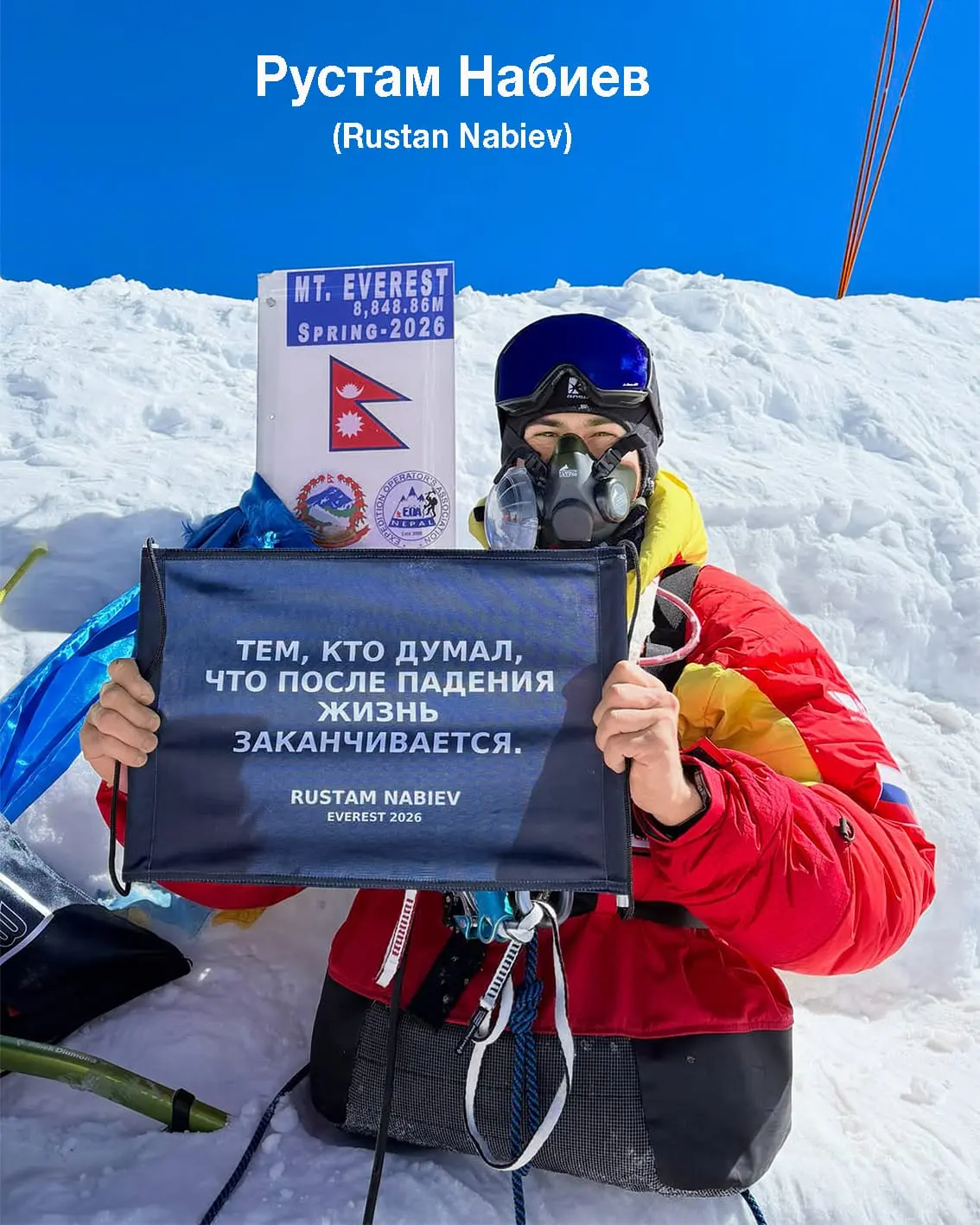
- 4.Rustam Nabiev reaches the summit of Everest using only his arms
- 5.Anja Blacha completes her thirteenth eight-thousander without oxygen: only Shishapangma remains
- 6.Kangchenjunga: first summits after weeks of snow and wind
- 7.More achievements of the season: solo Manaslu, first ascents and a new route on Langshisa Ri
A season marked by the numbers: 492 permits and 274 summits in one day
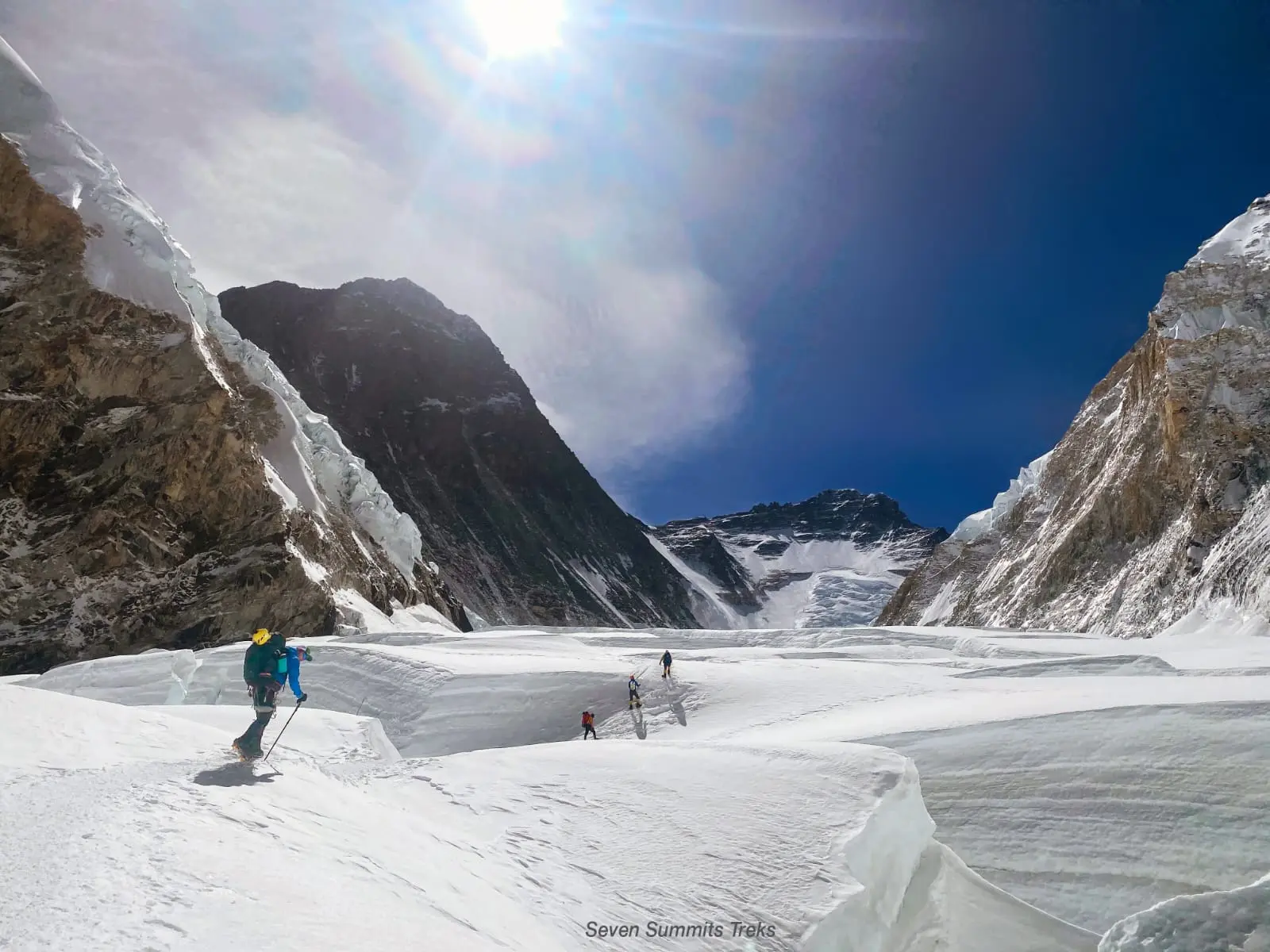
Everest and Lhotse have been at their peak this season. With 492 permits issued for Everest and a single summit window, the record for summits in one day was broken on 20 May with 274, a staggering figure. For several days beforehand, bad weather limited ascents, but on the 20th the mass summits began, and the trend continued for another 2-3 days.
In this context of massive activity, the summits without supplemental oxygen are the ones that hold the real sporting interest. On Lhotse: Argentinians Juan Cruz Rodríguez and Nehuen Conterno on 18 May, and Irish climber James McManus on the 20th. On Everest: Ecuadorian guide Fredy Tipán on 18 May, and fellow Ecuadorian Marcelo Segovia on the 20th.
Meanwhile, two Sherpas completed the 2025 Triple Crown —Everest, Nuptse and Lhotse in the same season, a very rare feat— in a rather unexpected way. Ming Temba Sherpa, from Seven Summit Treks, was also part of the Everest rope-fixing team. Tenzing David Sherpa, who had not even planned to take part, joined after his brother at Asian Trekking asked for help due to delays, and ended up completing all three mountains. As for Kristin Hárila, who had taken centre stage with the "Triple Crown No Oxy 2026" project, she climbed Lhotse using oxygen from 8,100 m.
The Khumbu Icefall: the threat that nearly cancelled the season
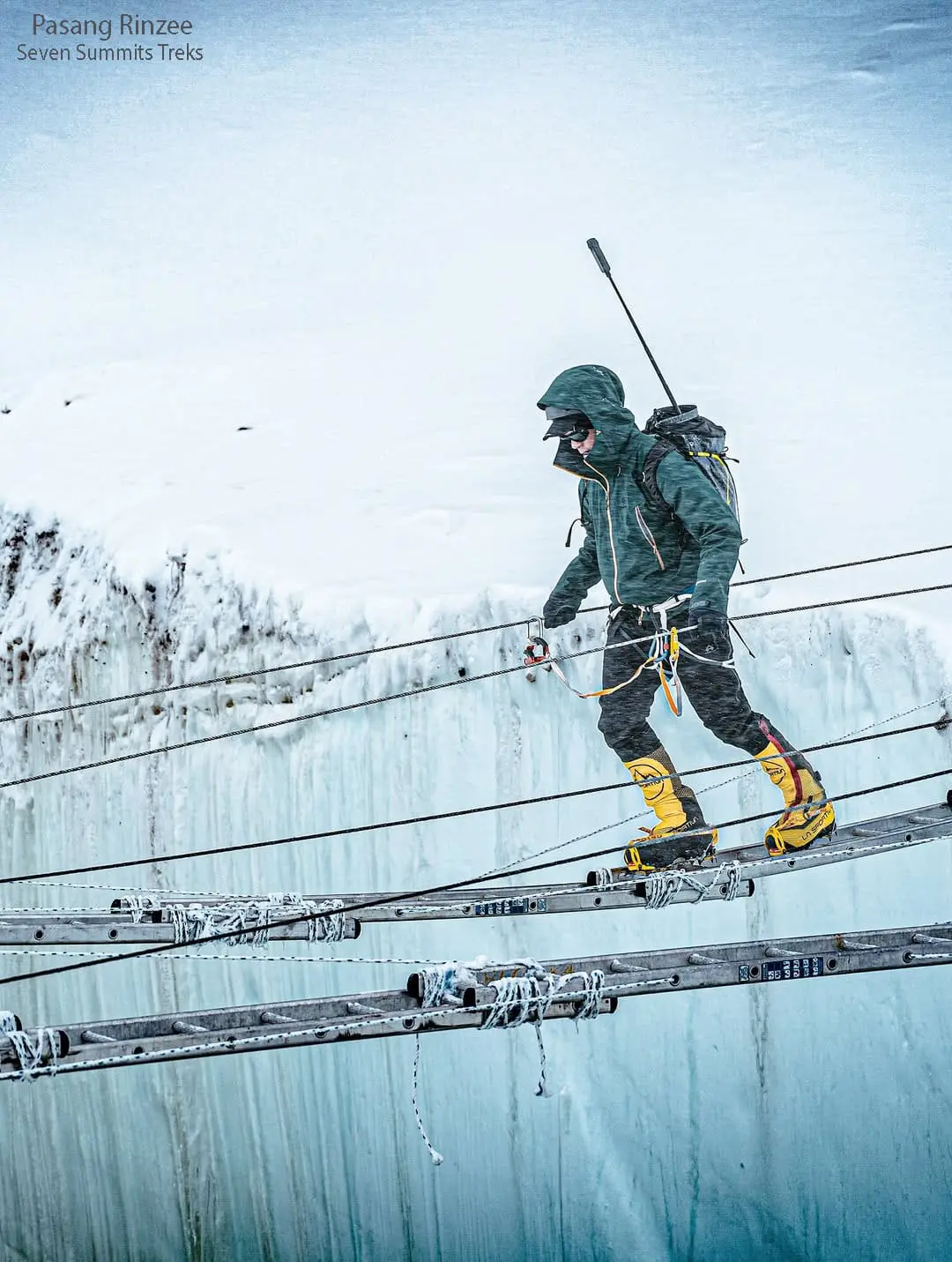
The situation in the Khumbu Icefall was more critical. The presence of a threatening serac front near Camp 1 slowed down the work of the icefall doctors, causing a major delay that almost put the entire season at risk. Finally, the use of helicopters, cargo drones and the support of technically trained Sherpas provided by the agencies was authorised to assist the teams responsible for fixing the ropes. An unprecedented decision in the logistical management of Everest. It is not hard to imagine that pressure from commercial agencies, with hundreds of permits issued and clients waiting, had a lot to do with the season not being cancelled.
Bartiek Ziemski: Lhotse and Everest in full ski descents, without oxygen, one week apart
The standout achievement of the season was delivered by Polish climber Bartiek Ziemski. Just one week apart, he climbed both Lhotse and Everest without supplemental oxygen and without high-altitude porters, descending in both cases on a full ski descent from the summit to base camp. It is his ninth eight-thousander completed with a ski descent from the summit.
In statements to ExplorersWeb, Ziemski did not seem particularly tempted to complete all 14 eight-thousanders on skis. He said he was "a little fed up" with the eight-thousanders —with the exception of K2— and believes there are far more beautiful and difficult mountains to ski. Time will tell whether he changes his mind.
Rustam Nabiev reaches the summit of Everest using only his arms
In 2015, a military barracks collapsed on Rustam Nabiev and took both his legs. Ten years later, the 34-year-old Russian climbed Everest using only his arms. No prosthetics, no shortcuts: 15 hours dragging himself through the Khumbu Icefall up to 8,849 metres. From the summit, he held up a sign that said it all: "For those who thought life ended after a fall."
Anja Blacha completes her thirteenth eight-thousander without oxygen: only Shishapangma remains
Kangchenjunga: first summits after weeks of snow and wind
More achievements of the season: solo Manaslu, first ascents and a new route on Langshisa Ri
Ukrainian climber Alexandr Moroz completed Manaslu (8,163 m) solo, without fixed ropes and in light style in 15 days, with support up to Camp 3 from Mark Ablovacky, who did not reach the summit.
The season also leaves two first ascents of peaks over 6,000 m: Sato Peak / Sharphu IV, in the Kangchenjunga area, by a South Korean team, and Laryka Peak, in the Manaslu area, by a Japanese team. The kind of exploratory mountaineering that does not make headlines but represents the very best of the craft.
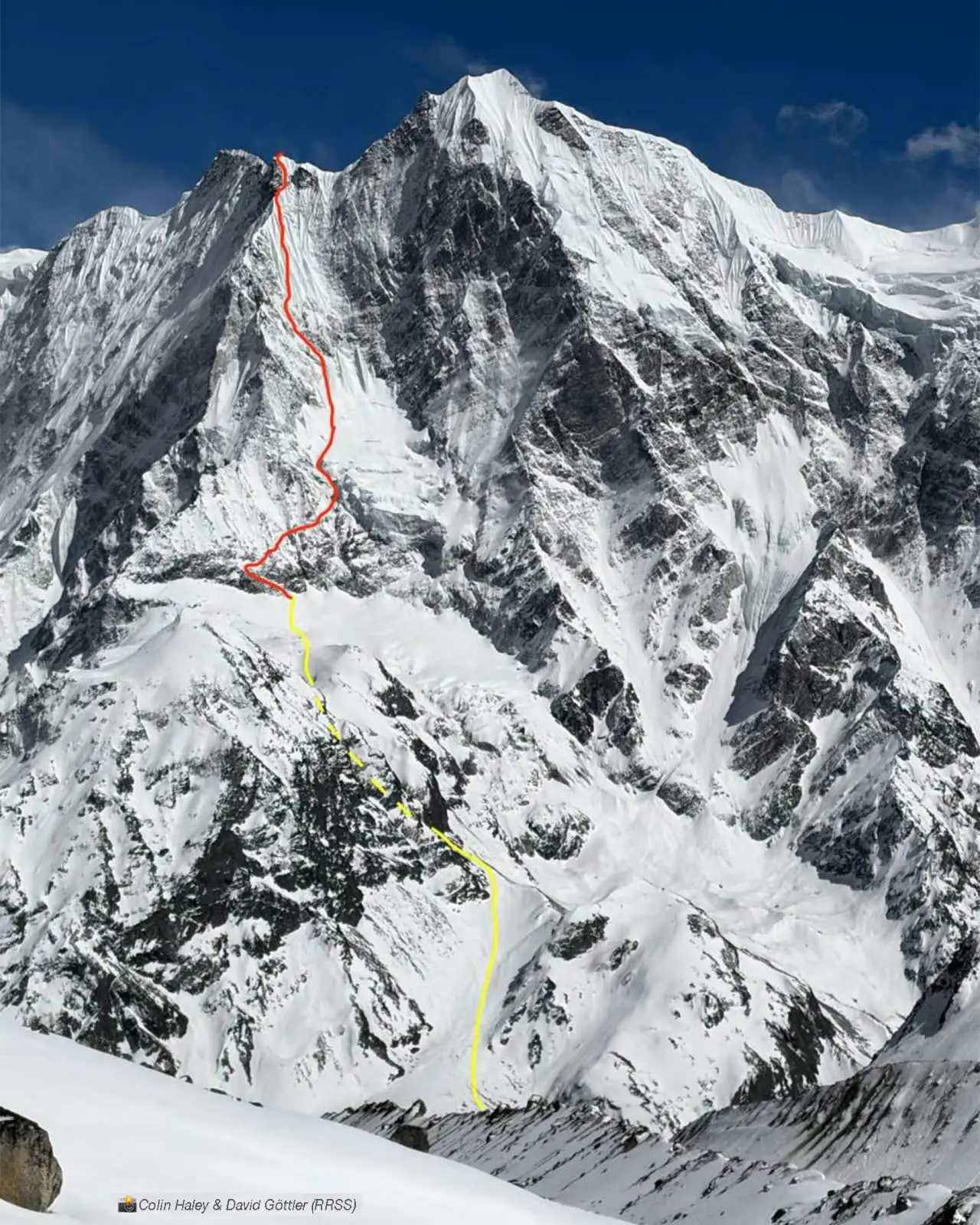
Beyond the eight-thousanders, the most technically relevant new line was opened by Colin Haley and David Göttler with Ask the Snow Leopard, a new alpine-style route on the north face of a secondary summit of Langshisa Ri (6,280 m): 750 m of semi-technical approach up to 5,300 m and 1,000 m of mixed and ice climbing up to 75º. Final grade still pending assessment.
More things have happened, and many more are still to come before the season ends. We will keep telling you about them.