6 days alone on Everest without food, water or oxygen: the story of Dawa Sherpa
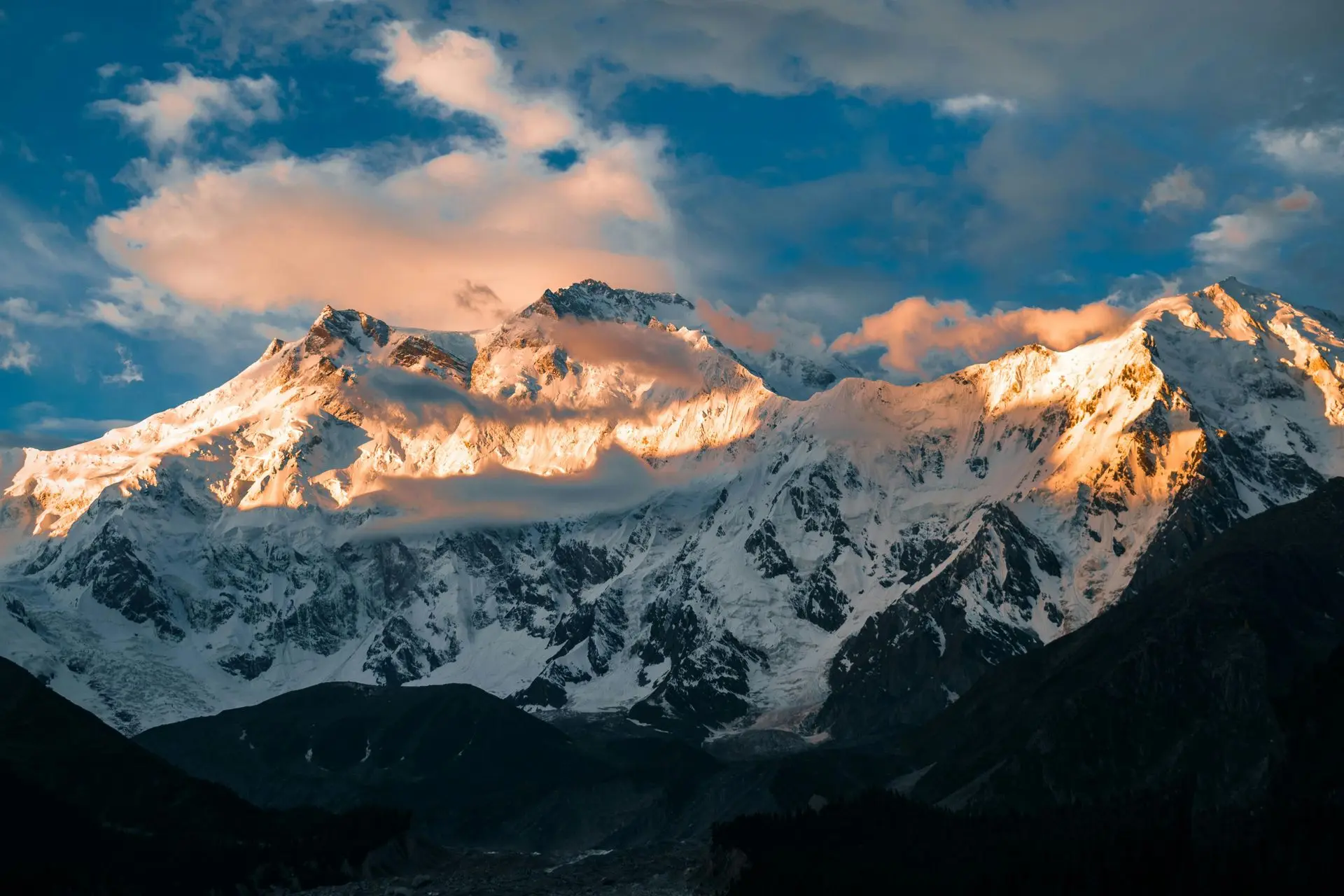
Table of contents
- 1.The Sherpa who disappeared on Everest and reappeared six days later
- 2.The miracle of June 4: found crawling near Crampon Point
- 3.Nanga Parbat opens the season: the Pakistani eight-thousanders campaign begins
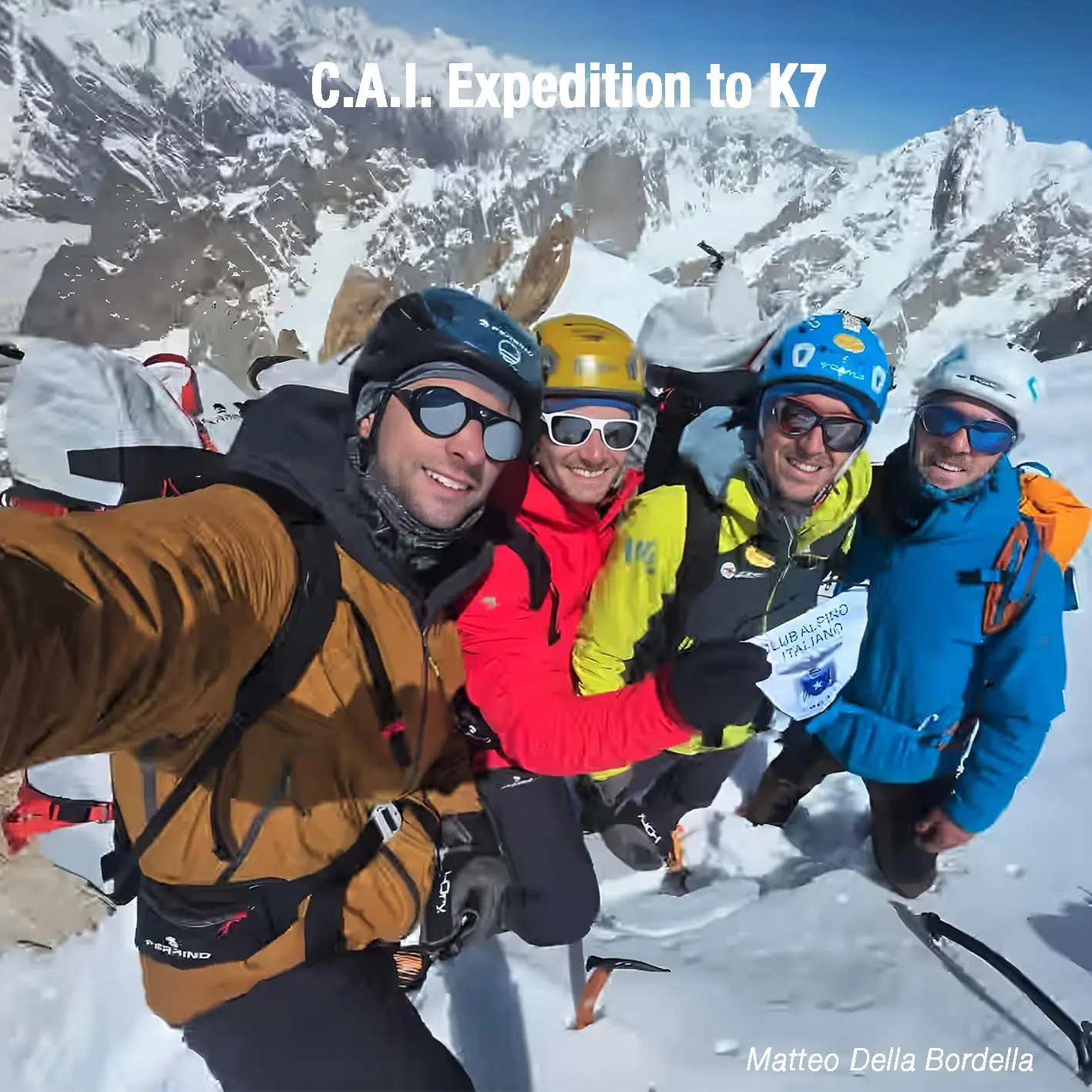
- 4.K7: Matteo Della Bordella’s Italian team acclimatizes in the Karakorum
- 5.More news from the outdoor world
The Sherpa who disappeared on Everest and reappeared six days later
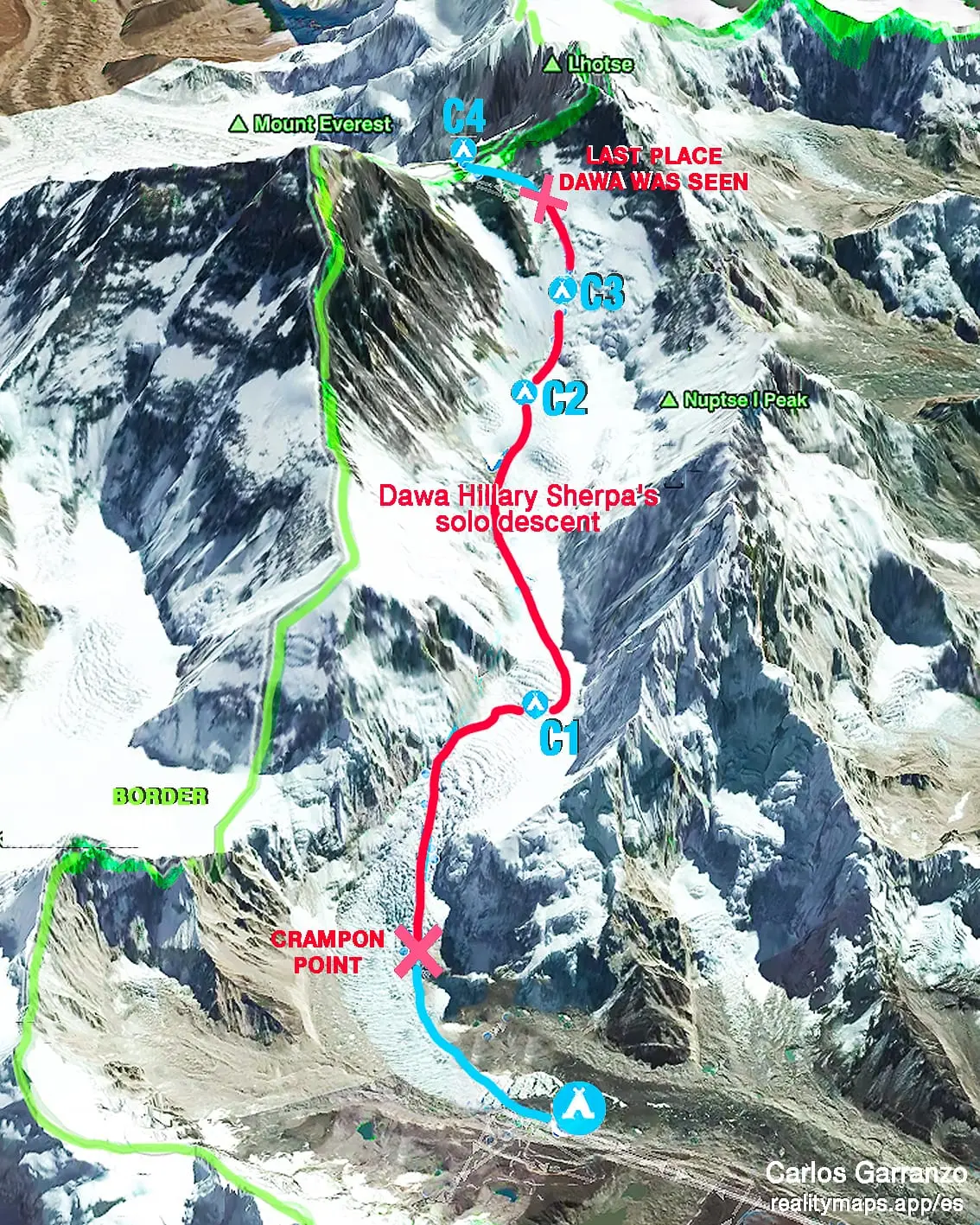
On May 29, 2026, Dawa Sherpa —known as "Hillary Dawa"—, 57 years old and originally from the Okhaldhunga district, disappeared while descending from Camp 4 on Everest after a failed summit attempt. He was part of a four-person team —two clients and two Sherpa guides— from the small operator Himalayan Traverse Adventures, which shared a permit with 8K Expeditions. During the descent, he fell behind the group near the Yellow Band. No one saw him again.
What followed was a chain of factors that made the rescue practically impossible: the agency took several days to raise the alarm. By then, the icefall doctors had already dismantled the route through the Icefall —a dismantling that had been announced in advance for that same day, May 29— closing off any possibility of a ground rescue.
On June 3, 8K Expeditions carried out a search flight at the family’s request, with negative results. Pemba Sherpa, founder of 8K, suggested that Dawa may have fallen into a crevasse: “We will keep searching when we return to the mountain next season and, if we find him, we will recover the body.”
Everything pointed to the worst possible outcome.
The miracle of June 4: found crawling near Crampon Point
On June 4, the SPCC (Sagarmatha Pollution Control Committee) team that remained on Everest carrying out rubbish collection work spotted someone crawling near Crampon Point. A miracle on Everest. It was Dawa. He had managed to descend by his own means to almost Base Camp.
The conditions in which he survived are hard to comprehend: six days alone on Everest, without food, without water, without gear and without supplemental oxygen, with the Icefall route completely dismantled. An autonomous descent in conditions that, on paper, should not have allowed survival.

Nanga Parbat opens the season: the Pakistani eight-thousanders campaign begins
The first commercial clients for Nanga Parbat were already arriving in the country at the time this article was published. The Karakorum teams will start later, following the usual rhythm of the season.
Nanga Parbat, the ninth-highest eight-thousander at 8,126 metres, is historically one of the peaks with the highest mortality rate on the planet. Its Rupal Face is the wall with the greatest vertical relief in the world. The fact that it is the first to open the season is no coincidence: its access from the Indus Valley is more direct than that of the Karakorum giants, which require longer approaches, more complex logistics and face a very different climate.
This year, moreover, one of the most attractive projects on Nanga Parbat will be Andrzej Bargiel’s attempt to ski down the mountain, which starts tomorrow.
K7: Matteo Della Bordella’s Italian team acclimatizes in the Karakorum
In the Karakorum, the Italian team led by Matteo Della Bordella reached their Base Camp a few days ago, which they found covered by more than half a metre of snow. Far from bringing activity to a halt, the expedition used the waiting time to acclimatize with an ascent of the nearby Sulu Peak (6,050 m) over three days, spending the night on the summit.
The team’s goal is to open a new route on K7 as soon as weather conditions allow. K7 (6,934 m), located in the Charakusa Valley, is one of the most coveted objectives in big-wall alpinism in the Karakorum. Its faces offer some of the most demanding technical climbing lines in the range, with granite walls that recall, in scale and character, the great walls of Yosemite Valley.
More news from the outdoor world
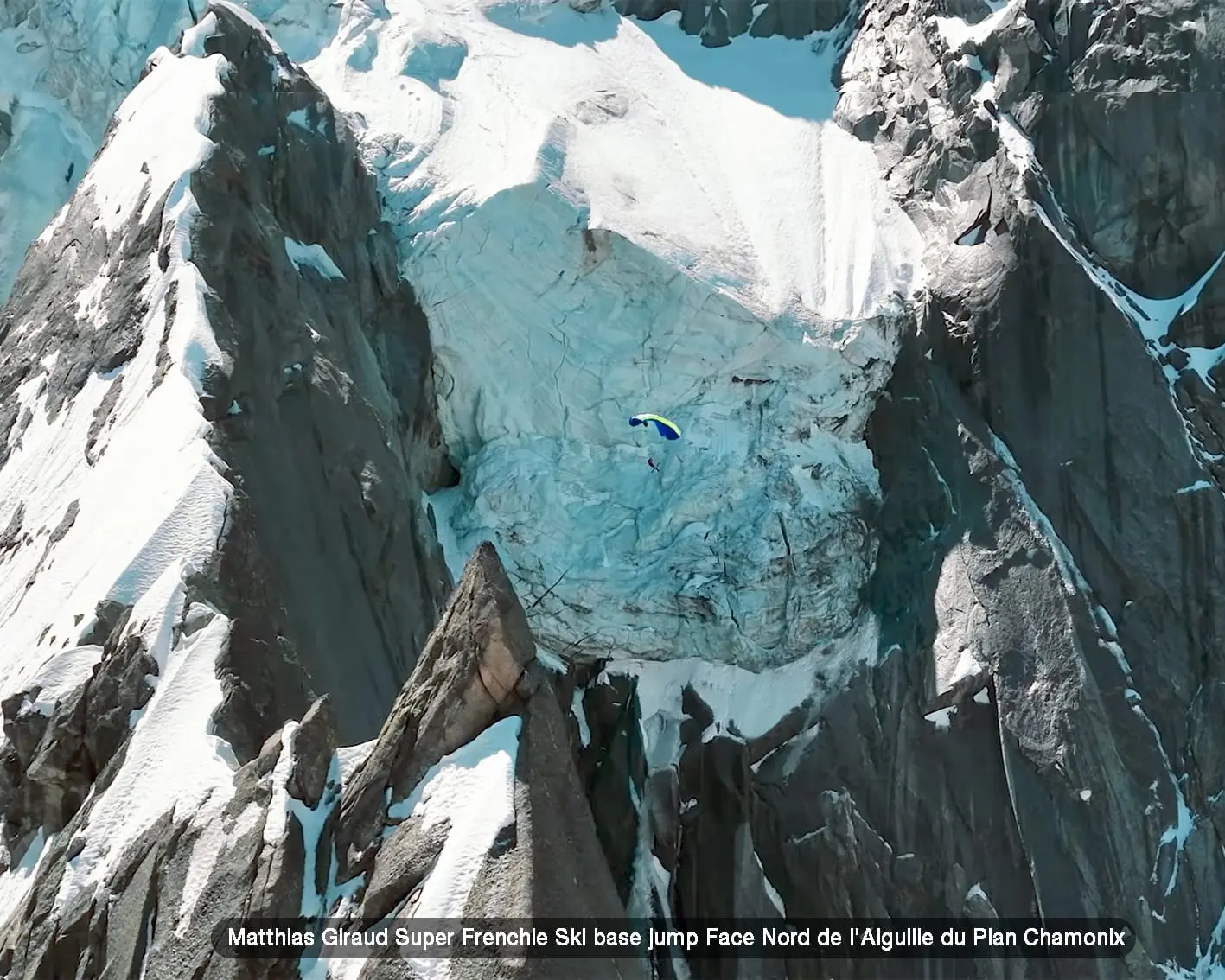
Matthias Giraud completed the first ski-BASE descent from the north face of the Aiguille du Plan (3,673 m) on May 26. The face had already been skied and descended at high speed, but the jump over the huge serac of around 30 m had never been done before. It is extremely risky: both the access —which involves several rappels in difficult conditions— and the jump itself, as it is followed by a huge drop that ends in a narrow tongue of ice boxed in between large rock walls. You have to jump at very high speed to gain height, allow the canopy to open, and do so with great precision to avoid drifting off line and crashing into the rock. Watch the descent video →
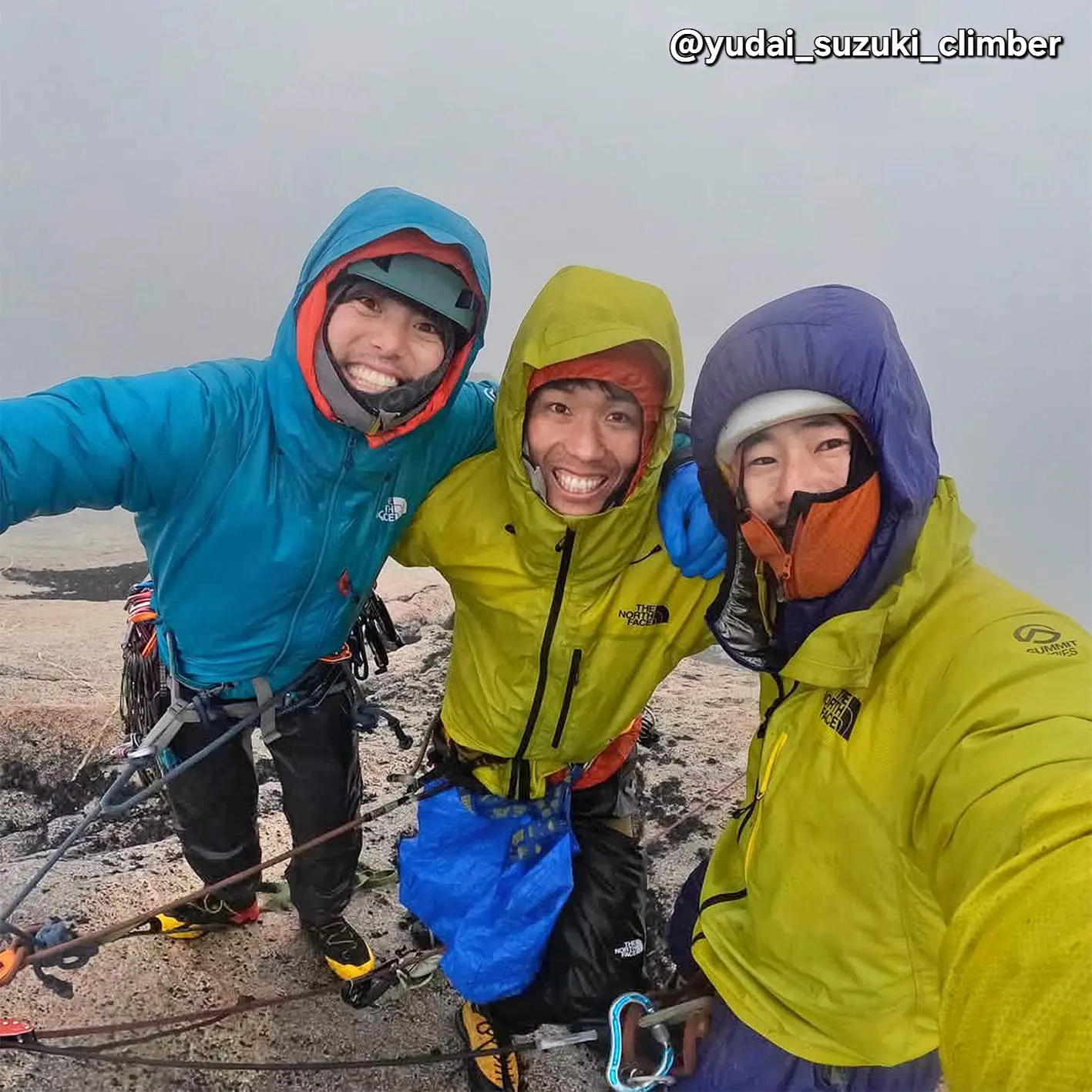
The Japanese climbers Yudai Suzuki, Toru Nakajima and Kosuke Kawachi have opened a new route on Cerro Cota 2000, Chilean Patagonia, Torres del Paine National Park. They named it "Echoes in the Dark": 800 m, 7a, A3, X —the wall was very wet and icy.
In the Chilean Andes, Isi Montesinos, Antar Machado, Joaquín Cisternas, Nico Gutiérrez and Francisco Fluxa explored the remote Paraguirre Valley, Cajón del Río Colorado – San José de Maipo, with the aim of developing new opportunities for ice climbing in Chile. They opened 3 new routes on icefalls located between 4,200 m and 4,700 m: Viaje de Mármol (240 m, WI5), La Melliza (240 m, WI5) and El Copihue (120 m, WI4+).
The Japanese team of 3 climbers led by Takeshi Tani attempted a first ascent of the north wall of Muz Tok (5,066 m), Kyrgyzstan. They turned back 200 m below the summit due to a lack of ice. The younger climbers then reached the summit via the west ridge.