'Kishmish': new route in the Indian Himalaya and weekly alpine news
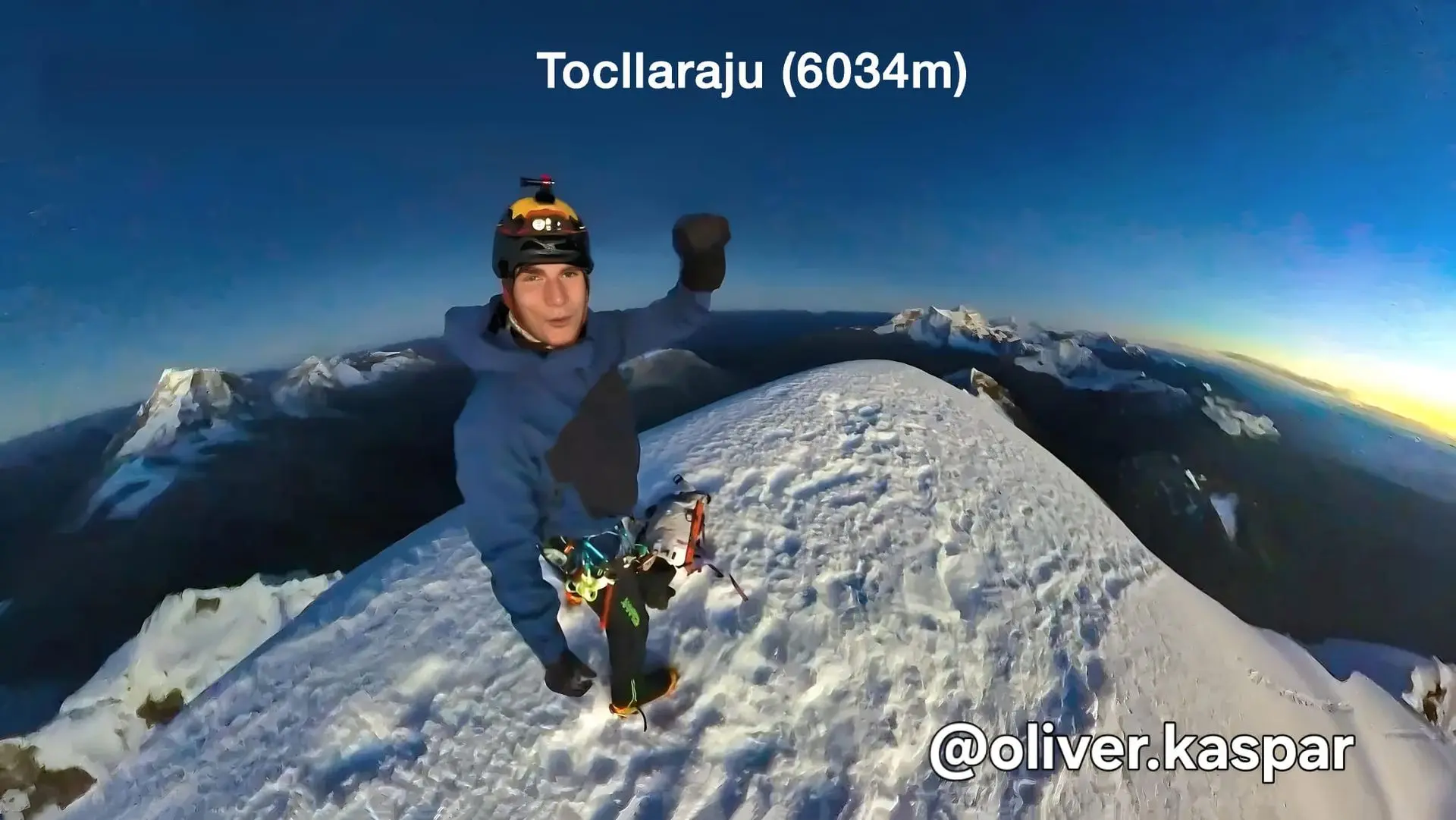
Table of contents
- 1.Pakistan — Nanga Parbat and the 8,000 m peaks of the Karakoram: the season begins
- 2.Pakistan — K7: short window, urgent descent and two projects underway
- 3.Pakistan — Masherbrum (7,821 m): two teams on a rarely frequented mountain
- 4.Best of the week — 'Kishmish': 2,300 m new route in the Indian Himalaya
- 5.Peru — Tocllaraju solo climb and new Polish team in the Cordillera Blanca
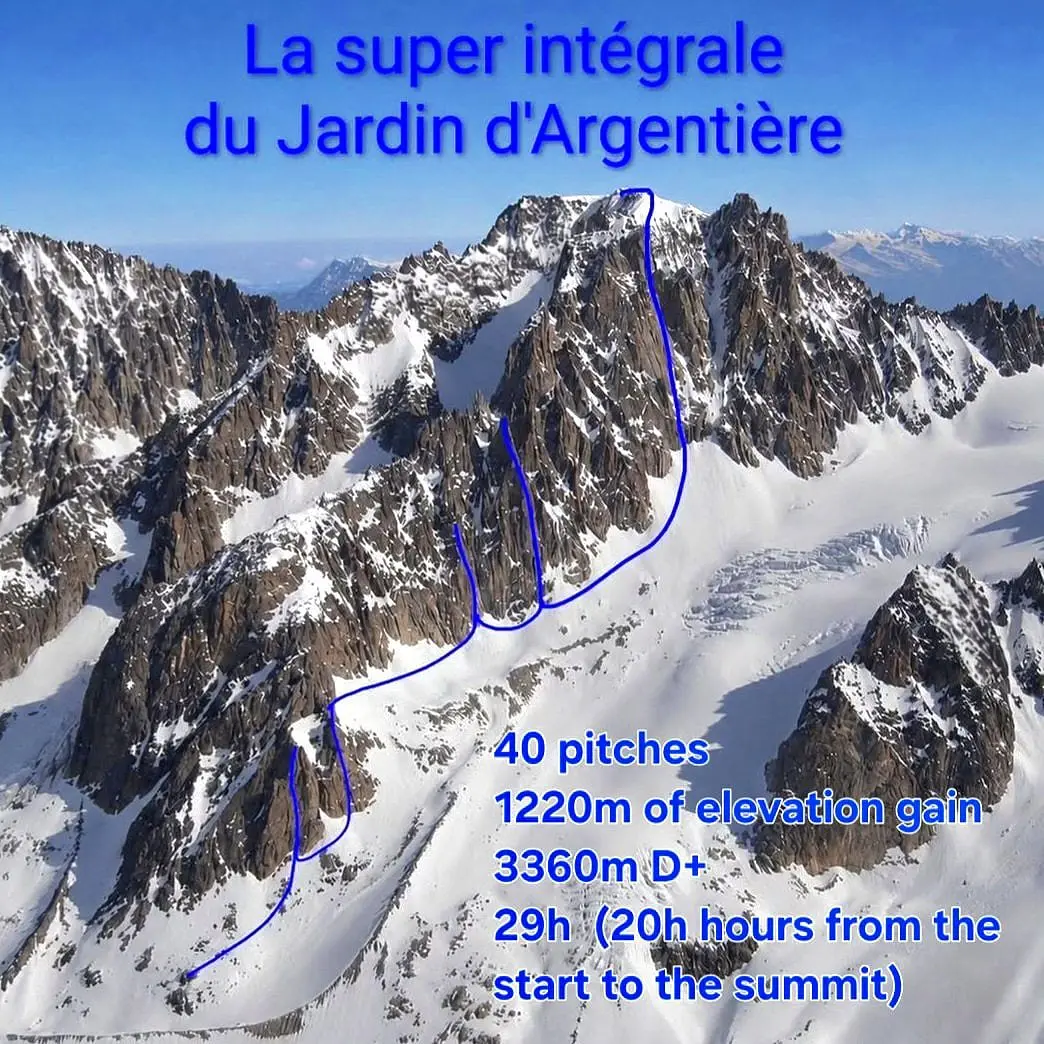
- 6.Alps — The Super Intégrale d'Argentière: five linked routes in the Mont Blanc massif
- 7.The second major success of the week — Antoine Girard: first 400 km FAI triangle in paragliding
Pakistan — Nanga Parbat and the 8,000 m peaks of the Karakoram: the season begins
With the Pakistan season already underway, information remains scarce. Communication problems are a constant in this region and reports from base camp take time to arrive.
What is known is that the Polish climbers Jarek Łukaszewski and Andrzej Bargiel's team have already been at Nanga Parbat base camp for days and were about to start their first acclimatization movements. They are not alone: several international teams are already present at BC. Route fixing will largely be carried out by the top high-performance Nepalese teams — SST, 8K, and IMN — who are already arriving in Pakistan.
It is still early to speak about the Karakoram eight-thousanders as a whole, but there are already relevant announcements. Romanian Horia Colibasanu, with 11 eight-thousanders in his record, will attempt Gasherbrum II independently; his goal in recent years is to complete all 14×8,000 m peaks more than to undertake innovative projects. Ecuadorian Santiago Quintero, a double amputee of half of both feet after solo climbing the South Face of Aconcagua in 2002, and with 10 eight-thousanders without O2, is going to Gasherbrum I.
Among the regulars who have already arrived: Mexican Sol Castro and young Ricardo Segreste (without O2), whose destination cannot yet be revealed — they will disclose it themselves. Zaragozan Martín Ramos (10×8,000 m without O2, except Everest) is also going to GI; K2, Dhaulagiri, and Lhotse remain to complete the list. Hungarian David Klein (without O2) is already at Broad Peak base camp. And there is a long list that will be talked about once the mountains are active.

Pakistan — K7: short window, urgent descent and two projects underway
At K7 (6,934 m), the Italian team on the east face took advantage of a short weather window to progress up to 6,150 m. A weather change that came one day early forced them to descend urgently and in poor conditions. The next forecasted window is for the 22nd, and the team has permission until early July, with the possibility of a one-week extension if necessary.
Colin Haley, who was with them at base camp, returned home due to a back problem after only three weeks since his arrival. His goal was a solo attempt.
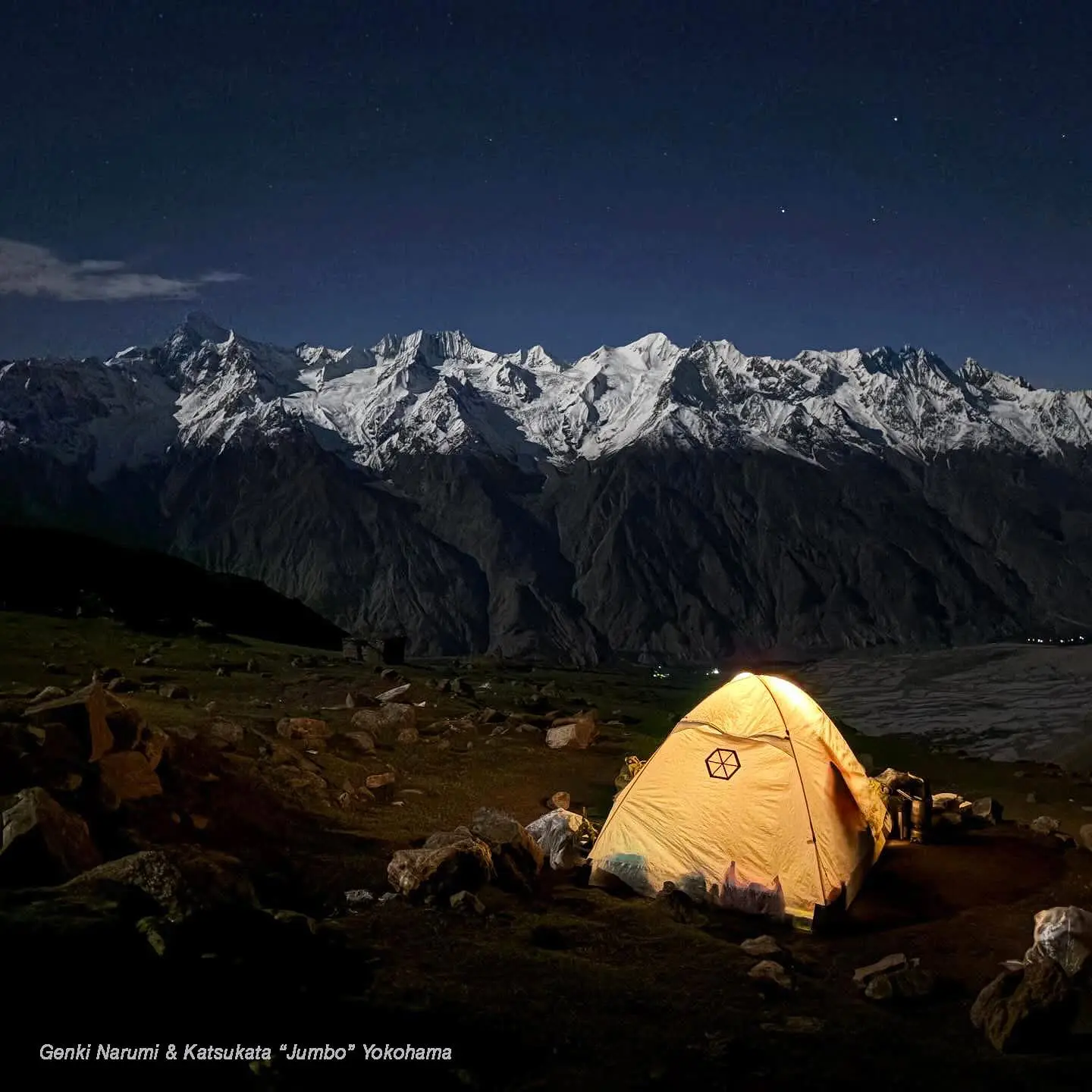
Meanwhile, Japanese Genki Narumi and Katsutaka "Jumbo" Yokohama are also at K7, on their second attempt at the SW ridge. The first was in 2022, when they reached 6,300 m above the Fortress pinnacle. By late May they had completed their first acclimatization round and went down to Skardu for a few days of rest. They are already working again on their route.
Pakistan — Masherbrum (7,821 m): two teams on a rarely frequented mountain
Best of the week — 'Kishmish': 2,300 m new route in the Indian Himalaya
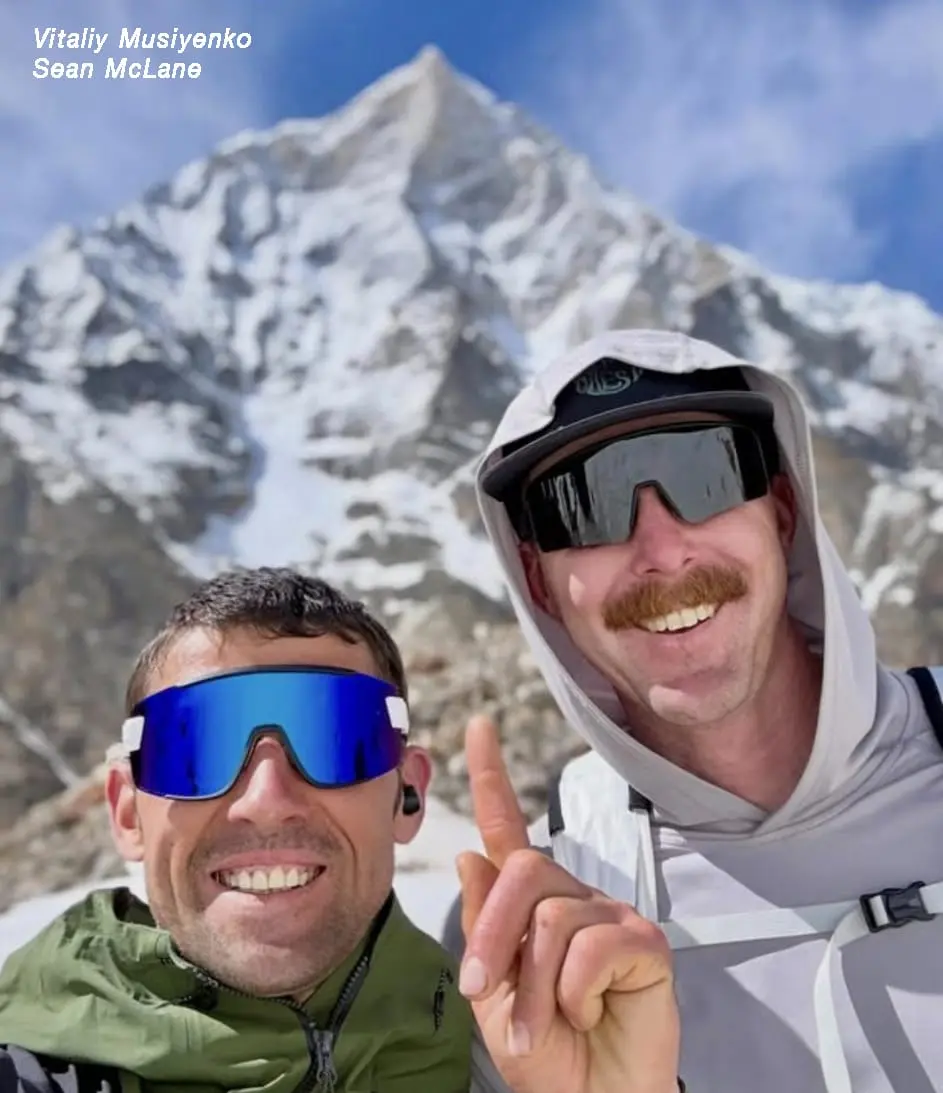
If there is one news that takes the technical spotlight of the week, it is this. Americans Vitaliy Musiyenko and Sean McLane open 'Kishmish' (2,300 m, M5-6 R/X) on the SW ridge of Balakun (6,471 m), in the Indian Himalaya, after an ascent of almost 40 continuous hours and a heart-stopping descent after weather changed just upon reaching the summit.
The context makes the feat even more significant. Their original goal, along with Christian Black, was to open a new route on Chaukhamba III (6,974 m), but several weeks of adverse weather conditions gave them not a single chance to attempt it. They opted for a plan B which, given the result, could have perfectly been a plan A for its technical quality.
A route of 2,300 m with mixed M5-6 sections and R/X exposure, solved in a continuous push of nearly two days: the kind of alpinism that needs no further adjectives.
Peru — Tocllaraju solo climb and new Polish team in the Cordillera Blanca
From the Cordillera Blanca come two news items this week that well illustrate the duality of contemporary alpinism.
Oliver Kaspar, young Italian of 22 years, climbed Tocllaraju (6,034 m) solo and ropeless: "I didn't want second chances", he declared. The ascent, meritorious in itself, gains particular relevance in a season in which it has been expressly recommended not to climb this mountain. The reason: extremely unstable snow conditions that already caused an avalanche that swept three high-level climbers, of which only one survived. During the rescue, the rescuers themselves also suffered avalanches.
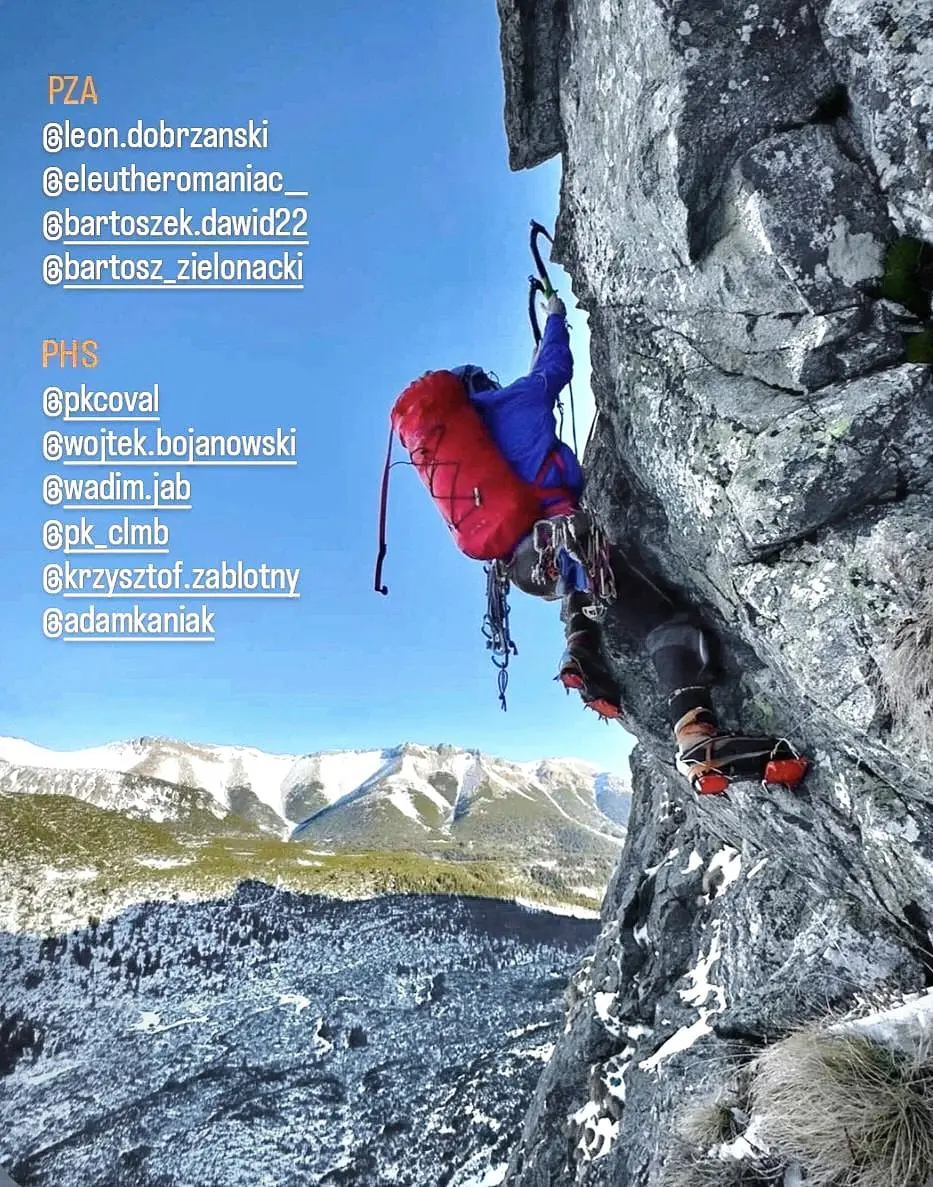
A Polish team of 4 members from the PZA and 6 from PHS has traveled to Peru with the objective of climbing highly technical routes and opening new lines in the region. A pure exploration expedition.
Alps — The Super Intégrale d'Argentière: five linked routes in the Mont Blanc massif
The second major success of the week — Antoine Girard: first 400 km FAI triangle in paragliding
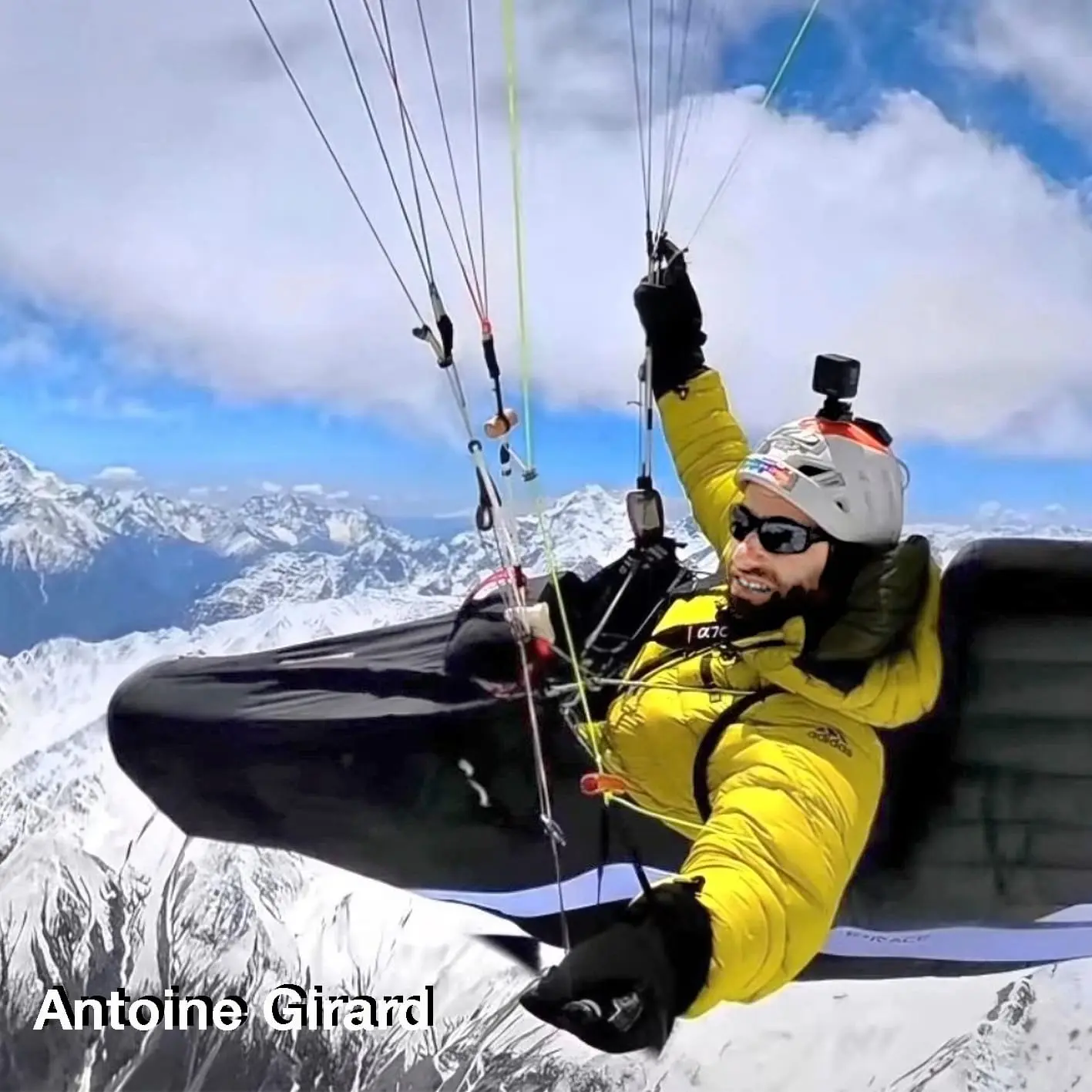
French pilot Antoine Girard this week made the first 400 km FAI triangle in paragliding history, flying an ultralight two-line wing Ozone Zeolite 2 paired with the modified F*Race 2 harness.
The flight was not without technical difficulties: Girard encountered storms and weak thermals that seriously complicated progress for over an hour. Yet, he completed the route in 11 hours and 32 minutes, reaching a maximum altitude of 6,700 m above the terrain he calls his "favorite playground": the Hunza valley, in Pakistan.
A historic record written, as almost all great mountain and air achievements, on a combination of technical preparation, terrain reading, and calculated risk tolerance.